3 Best Online Business Ideas for Beginners in 2025: Pros & Cons + Does One Fit You?

Introduction
Wondering which online business is right for you to escape the 9-to-5?
You’re in the right place.
Maybe you’ve pictured it—closing your laptop, hopping on a plane, and running your business from a hammock in Thailand—no boss breathing down your neck, no alarm clock dictating your mornings.
But then… reality hits.
How and where do I even start? What if I fail? Do I need a ton of money?
The internet is packed with flashy success stories, but figuring out which business model actually works—without draining your savings or your sanity—feels like trying to solve a maze blindfolded.
You’re not alone..
Here’s the Good News…
That’s exactly why we’re here.
There are real, beginner-friendly online businesses that can give you the freedom and flexibility you’re after—if you pick the right one.
In this guide, we’ll explore three of the best online business ideas 2025 that anyone can start, even with no experience:
- Dropshipping – Sell products online without handling inventory or shipping.
- E-Commerce Store – Build your own brand, control product quality, and maximize profits.
- Affiliate Marketing – Earn commissions by promoting products without creating your own.
Each model comes with its pros and cons, and not every business is a perfect fit for everyone. That’s why we’re breaking it all down so you can make the best decision for your goals.
What You’ll Learn in This Guide
✔️How each business model actually works (no fluff, just facts).
✔️The pros and cons of each model—so you can make an informed choice.
✔️Which model is the best fit for you based on your goals and skillset.
✔️A final conclusion—so you walk away with a clear next step, and move forward with confidence.
We won't leave you hanging—We’ve got your back.
Let’s dive in. 🚀
What to Look For in a Good Online Business As a Beginner?

Not all online businesses are built the same—especially when you're just starting. So what should you look for?
⇒ Low startup costs – You shouldn’t have to dump thousands into something that might work. The best beginner-friendly businesses need little to no upfront investment. Think about setting up a website, not stocking a warehouse.
⇒ Simple execution – If it feels like you need a PhD just to get started, it’s not the one. A great online business should have a clear, step-by-step process that doesn’t leave you guessing.
⇒ Scalability – You want something that grows with you. If you're stuck trading hours for dollars, that's a job—not a business. Look for systems that let you earn more without working more.
And here’s the kicker—just because a business is easy to start doesn’t mean it’s the right fit for you.
That’s why we’re breaking down three of the best online business ideas for beginners—so you’ll know exactly what works, how it works, and which one fits you best.
1. Dropshipping: The Easiest Business to Start—But Is It Right for You?
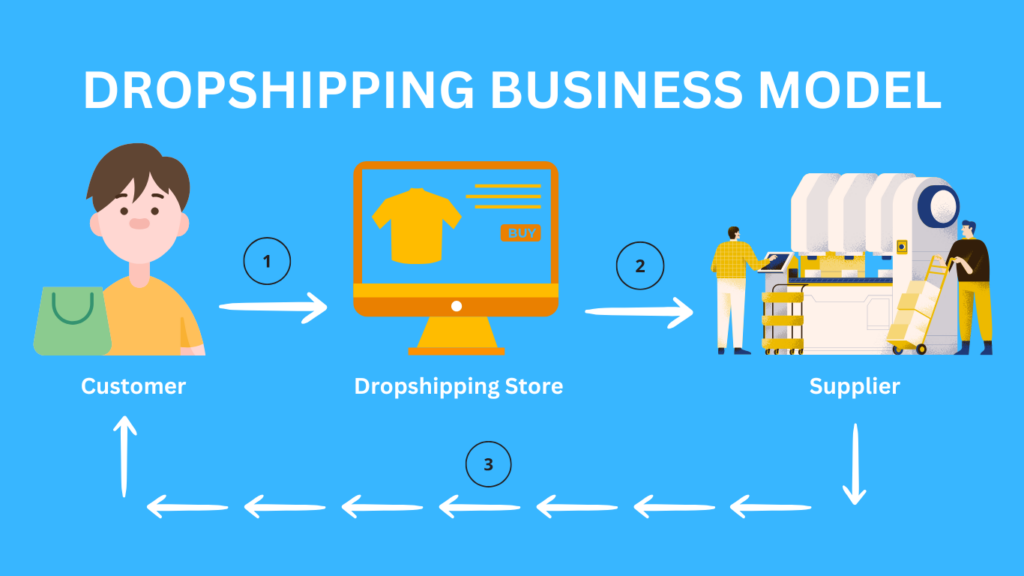
What is Dropshipping and How Does It Work?
Dropshipping is e-commerce without the hassle. You sell physical products—but you never handle inventory
Here’s how it works:
1️⃣You set up an online store and list products from a supplier—like a sleek, ergonomic desk chair that’s trending right now.
2️⃣A customer places an order. You collect the payment, then forward the order (and a cut of the cash) to your supplier. They handle the rest.
3️⃣The supplier ships the product directly to them.
You never touch the product—you’re the middleman.
Think of it like running a store where you only buy inventory after you’ve already made the sale. Meaning...
✔️ No warehouses. ✔️ No bulk orders. ✔️ No stacks of unsold stock collecting dust in your garage.
It’s like flipping products—without the upfront costs.
But what's the essence of Dropshipping in the marketplace?
The Purpose Behind Dropshipping
The primary purpose of dropshipping is to bridge the gap between customers looking for quality products and suppliers ready to fulfill their needs—all without the seller(a.k.a. the dropshipper) needing to deal with:
🚫 Manufacturing
🚫 Storing inventory
🚫 Shipping headaches
It’s an easy way to dip your toes into online business, learn marketing, and test different products—without a massive investment.
But let’s be real…
Just because starting is easy doesn’t mean winning is, so it’s important to look at both sides of the coin before diving any deeper.

Pros: Why Dropshipping Works for Beginners
✅ Low startup costs – You don’t buy inventory upfront. You only pay when a customer does.
✅ Run it from anywhere – No stock to manage, no office needed. All you need is Wi-Fi.
✅ Test different products fast – One item flops? Swap it out. No big loss.
✅ No shipping stress – Suppliers handle fulfillment, so you don’t have to pack or ship orders yourself.
Cons: Challenges You Should Expect With Dropshipping
❌ Thin profit margins – Suppliers set prices, so you’re competing with everyone selling the same thing. Cue price wars.
❌ No control over quality or shipping – If a product arrives damaged or takes forever to ship, guess who gets blamed? You.
❌ Marketing isn’t free – Without a strong brand, you’ll rely on paid ads to drive sales—which means ongoing expenses.
Is Dropshipping the Right Business for You?
Dropshipping is great if you want a low-risk way to start an online business.
But if you want more control over your profits, brand, and customer experience—you might want to build a real e-commerce store.
Let’s talk about that next. 🚀
2. E-Commerce Stores: Your Brand, Your Rules—But What’s the Catch?
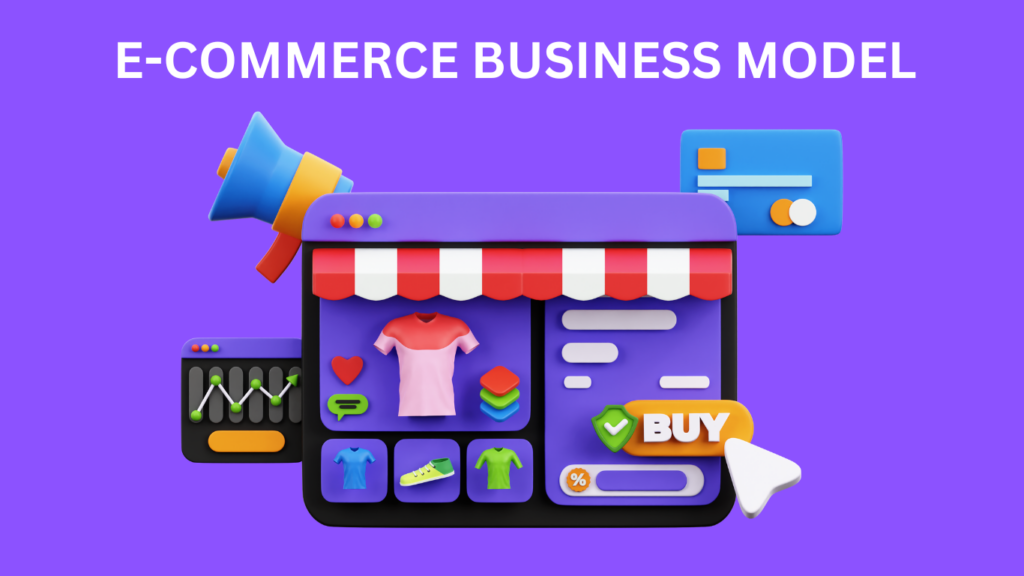
What is an E-Commerce Store and How Does It Work?
An e-commerce store is a business where you sell physical or digital products online. Unlike dropshipping, you stock your own inventory—giving you full control over:
✔️ Product quality. ✔️ Branding. ✔️ Pricing.
Think of it like building your own brand instead of depending on someone else’s.
You choose your products. You set your prices. You create an experience people remember.
Here’s how setting up an e-commerce store works, step by step:
1️⃣ Build Your Online Store: Platforms like Shopify or Wix make it incredibly easy. Some even let you dive in for free.
2️⃣List Your Products or Services: Add those must-have items to your catalog with clear, appealing photos and descriptions.
3️⃣Let Customers Shop: People browse, add their favorites to the cart, and get excited to check out.
4️⃣Streamline Payment: A smooth checkout process is non-negotiable. Most platforms have built-in payment systems to make it effortless.
5️⃣Track Your Orders: Manage everything from a single dashboard—simple and stress-free.
6️⃣Ship the Goods: Package up those orders and send them out. Or, if it’s a service, get ready to deliver the experience.
Now that you understand how an E-commerce store works, let's explore its purpose
The Purpose Behind an E-Commerce Store
Simple. Because you want to build something long-term.
Dropshipping is great for testing the waters, but a true e-commerce store gives you full ownership of your brand. Higher profit potential without middlemen eating into your margins. A real, sustainable business with loyal customers who come back for more.
But with control comes responsibility.
Unlike dropshipping, you’ll need inventory, which means:
🚨 Upfront investment.
🚨 Managing storage & shipping.
🚨 More hands-on work.
But in return? You get more profit, more control, and more long-term success.
Let's look at the ups and downs should you consider diving any deeper.

Pros: Why E-Commerce Stores Work for Beginners
✅ Higher profit margins – You set your prices. No middleman means more money in your pocket.
✅ Stronger brand loyalty – Control your product quality and customer experience to create repeat buyers.
✅ More marketing options – Go beyond paid ads. Build organic traffic with email marketing, SEO, and social media.
✅ Better customer experience – Faster shipping, custom packaging, and personal touches that set you apart from generic stores.
Cons: Challenges You Should Expect With E-Commerce Stores
❌ Upfront costs – You need to buy inventory, and if products don’t sell, that’s money lost.
❌ Storage & logistics – Unlike dropshipping, you’re responsible for storing, packing, and shipping—or paying a fulfillment center.
❌ More time-intensive – Customer service, order management, and inventory tracking all add to the workload.
Is an E-Commerce Store the Right Business for You?
Running an e-commerce store isn’t for the faint of heart.
But if the idea of owning your business fully, building a brand, and controlling your profits excites you—this is the better path.
Now… what if you don’t want to deal with inventory at all?
There’s another way. Let’s talk about it next. 🚀
3. Affiliate Marketing: The Simplest Way to Earn Without a Product

What is Affiliate Marketing and How Does It Work?
Affiliate marketing is the simplest way to make money online—without creating a product. Instead, you promote someone else’s product and earn a commission on every sale, meaning:
✔️ No inventory. ✔️ No customer service. ✔️ No shipping headaches.
Your job? Get people to click your link and buy.
Think of it like being a digital middleman—you recommend products through a blog, YouTube, social media, or email, and when someone buys through your unique affiliate link, you get paid.
Here’s a breakdown of how it all works:
1️⃣ Pick Your Niche: Find a topic that interests you and has demand.
2️⃣ Join an Affiliate Program: Sign up for programs with good commission rates and solid support. Some popular options:
- Amazon Associates
- ShareASale
- Niche-specific platforms (tech, fitness, finance, etc.)
3️⃣ Promote Products: Share your affiliate links through:
Blogs
✔ Social media
✔ Email newsletters
✔ YouTube
4️⃣ Track Your Links & Optimize: Not every strategy will work.
✔ Watch your clicks & conversions.
✔ See what’s working—and do more of that.
✔ If something’s flopping? Tweak your approach and test again.
5️⃣ Get Paid 💰: When someone buys through your link, you earn a commission.
That’s it. You get paid for helping people find what they need.
The better you do this, the more passive your income becomes.
Which leads us to the purpose of Affiliate Marketing
The Purpose Behind Affiliate Marketing
You help connect companies with the right customers by sharing recommendations they can trust. It’s like giving a friend a tip about a great product, but you get a commission when they buy.
For example, let’s say you’re into photography. You write a beginner’s guide and include links to your favorite cameras. Every time someone clicks and buys, you earn a piece of the sale.
The best part? That guide keeps working for you, earning commissions long after you’ve published it.
Affiliate marketing doesn’t just help you earn passive income; it also makes life easier for customers. They get solid advice and make smarter choices. Win-win.
It’s not all sunshine and smooth sailing. Let’s take a look at the pros and cons.

Pros: Why Affiliate Marketing Works for Beginners
✅ No product management – You don’t create, stock, or ship anything. Just send traffic to existing products.
✅ Low startup costs – A website, social media, or YouTube is all you need. No need for inventory or huge upfront investment.
✅ Scalable & passive – Build traffic once, and commissions can roll in with minimal upkeep.
✅ Endless niches – Tech, fitness, fashion, finance, education—there’s an affiliate program for everything.
✅Freedom to Work on Your Terms: Enjoy the flexibility to build your schedule, whether working from your favorite coffee shop or spending more time with family.
Cons: Challenges You Should Expect With Affiliate Marketing
❌ No control over products – The company sets prices, handles refunds, and makes the rules.
❌ Traffic is everything – No visitors? No sales. You’ll need a blog, YouTube channel, or social media presence—plus a smart strategy to get people clicking.
❌ Takes time to build – You’ll pick up the basics quickly, but to get results, it requires time to dig deeper into messaging, and understanding your audience to build steady commissions.
Is Affiliate Marketing the Right Business for You?
Affiliate marketing is perfect if you love creating content and want a low-risk, passive way to make money.
But if you need quick cash, it’s not an overnight solution.
Now that you've explored all three business models, which one fits?
Which Online Business Idea Fits You Best?
Now that you’ve seen how these three online business models work, which one fits your vision?
- If you want a quick and low-risk way to start, dropshipping is the easiest entry point.
- If you want control over branding, quality, and pricing, an e-commerce store is the way to go.
- If you don’t want to deal with products at all and love creating content, affiliate marketing is your best bet.
Each model has pros and cons—but they all lead to the same goal: building a business that gives you financial, time and location freedom.
But Here’s The Thing...
There’s a difference between picking a business model and actually making it work.
That’s where our next step comes in.
Conclusion: The Smartest Path to Online Business Success

By now, you’ve explored three powerful online business models. Each has its own strengths, each its own challenges.
Maybe you’re excited, already picturing yourself waking up in a new city whenever you feel like it.
Or maybe you’re a little overwhelmed, thinking, Which one is actually going to work for me?
That’s normal.
Here’s the truth—none of these business models are magic bullets.
They take effort, strategy, and patience.
But here’s the real insight most people miss:
It’s not just about picking a business model.
It’s about knowing how to get people to pay attention—and take action.
Why Some People Succeed—and Others Struggle
Most beginners think success comes from:
- Picking the perfect niche.
- Selling the right product.
- Finding that one business model that guarantees results.
That’s not the real game.
The people who actually build profitable, long-term businesses understand four things:
1️⃣A profitable Niche – Do they care about the topic? And is there real demand for it?
2️⃣What they communicate – Is their message clear and compelling?
3️⃣How they communicate – Does it connect with their audience and build trust?
4️⃣Who they communicate to – Are they reaching the right people?
Think about it…
Whether you’re selling physical products, promoting affiliate offers, or running an e-commerce brand, everything boils down to one thing:
👉 Getting someone to make a purchase
And if you don’t have an audience…
If your message doesn’t resonate…
If you’re targeting the wrong people…
It doesn’t matter what business model you choose—it won’t work.
That’s why so many beginners fail.
They focus on the mechanics—setting up a store, launching a campaign—but never master the real skill:
Persuasion & Authority-Building.
That’s the difference.
And if you’re serious about making this work, that’s where you need to start. 🚀
What I Recommend: Authority Marketing
By now, I hope you trust me enough to hear me out on this.
Because let’s be real—picking a random business model and hoping for the best? That’s like throwing darts blindfolded. Maybe you hit the board. Maybe you hit the wall. Either way… not a solid plan.
Instead, let me show you a proven way to build an online business that actually works—Authority Marketing.
Think of it like a vehicle. Hop in, buckle up, and let it take you exactly where you want to go. In your case? Straight to a successful online business—and the freedom that comes with it.
Why this strategy?
Simple. It’s built around the exact skills we talked about in Why Some People Succeed—And Others Struggle section above.
I'll show you...
Here’s how Authority Marketing works:
✅Learn to Identify your profitable Niche. What problems are people actively looking to solve? Is there a market willing to pay for solutions?
✅ Learn to Pinpoint your audience. Who are the people looking for what you offer? How do you attract them to you instead of chasing them down?
✅ Learn to Craft a message that converts. How do you talk about your product or service in a way that makes people trust you and want to buy?
✅ Learn to Automate and scale. How do you set up systems that work for you, even when you’re not actively selling?
This is the difference between spinning your wheels and building a business that runs on autopilot.
Ready to get serious about starting an online business?
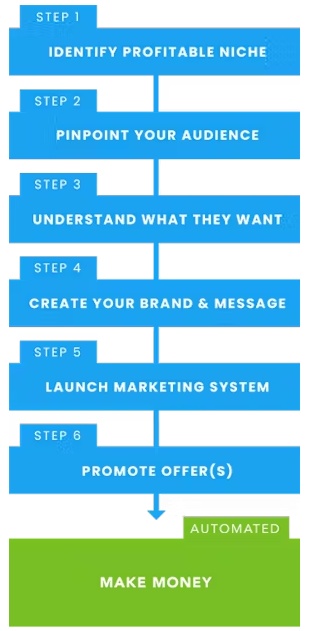
The Six-Steps Of The Authority Marketing Strategy
So if you are really considering starting your online business, I suggest to get a grip on the six steps of Authority Marketing.
There’s a Video Series that breaks down each step of the Authority Marketing Strategy. It’s created by an 8-figure entrepreneur who has helped hundreds of beginners build successful online businesses.
Think of Free Video Series as a two-layered approach:
⇒ The foundational layer teaches the steps of the Authority Marketing Startegy that work no matter which business model you choose.
⇒ The top layer provides a full breakdown of the business models—so you’ll know for sure which one fits you best and what to do next if you want to get started.
Best of all, the Video Series is free.
And beyond that, you’ll get weekly, no-BS Online Business tips from me—straight to your inbox.
Hi, I’m Lloyd Jackson—Ultimate Freedom Chaser.

"A few years back, at 31, I made a choice:
Start making money from my laptop. Why? Because I was stuck on the common path:
Work ➡️ Commute ➡️ Netflix ➡️ Sleep
That cycle led straight to feeling underpaid, unhappy, and stuck. I still remember those early days—completely overwhelmed. Drowning in a sea of business ideas and so-called “secrets” splattered all over the internet. The questions felt endless: Where do I even start? What can I trust, and what’s just overhyped noise—or worse, a scam?
Now? I take everything I’ve learned and help other go-getters like you navigate these murky (sometimes shark-infested) waters of online opportunities. I review what’s out there. I guide people down the uncommon path. Because let’s be honest—if you want an uncommon life, you’ve gotta take an uncommon path.